Food machinery · 03
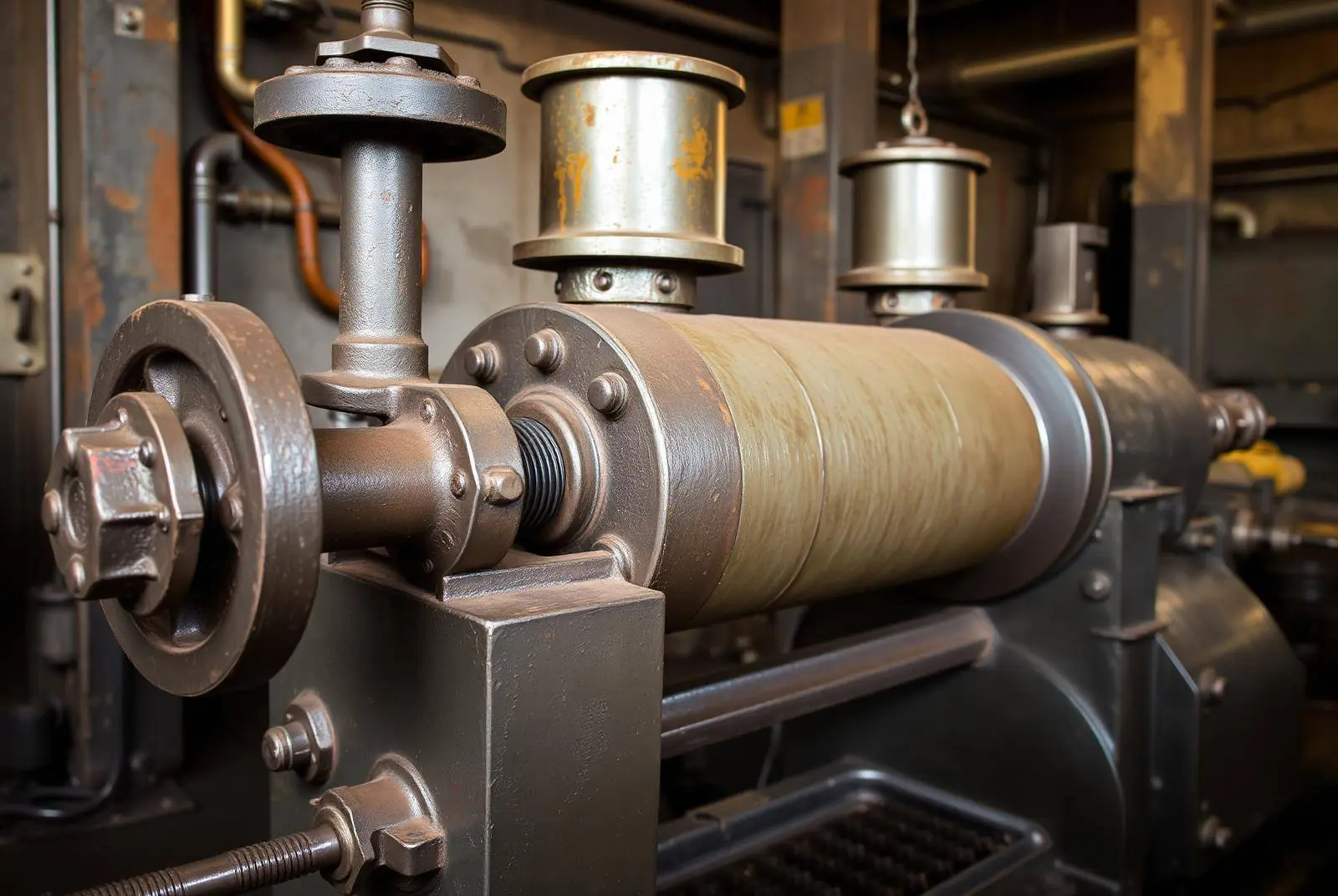
Expellers built in the city that has made them for a century.
Rajkot — where Akarta has always been based — is the world's densest cluster of oil expeller foundries and machine shops. Cast-iron cages, hardened worm shafts, cooking kettles and filter presses have been made here for generations, and shipped to every oilseed-growing region on earth.
3 – 100 TPD seed
Capacity range
12+ oilseed types
Seeds handled
5 – 8% single press
Residual oil in cake
Cleaning to filtered oil & refining
Scope
Overview
Cold press, hot press, or both in series
Oil yield, oil flavour and cake value are traded against each other by how much heat you allow into the process. We configure the plant around which of the three you are actually selling.
Cold pressing runs the seed through the expeller without a cooking stage, keeping cake temperature under about 60 °C. Yield is lower — often 3–6% less oil recovered — but the oil retains its natural colour, aroma and nutritional profile, and sells at a premium as cold-pressed, wood-pressed or virgin oil. This is the fastest-growing segment we quote, particularly for sesame, coconut, groundnut and mustard.
Hot pressing cooks the seed in a stacked kettle to 90–110 °C with controlled moisture before expelling. Protein denatures, cell walls rupture and oil flows far more freely, so recovery is higher and throughput per machine is greater. Most commodity-scale plants press hot, often twice: a first press followed by a second press of the cake to bring residual oil down to 5–6%.
The expeller itself is the heart of the plant: a hardened, heat-treated worm shaft assembly turning inside a cage of steel bars set with adjustable clearance, with a choke or cone at the discharge that controls pressing pressure. Worms and cage bars are the fast-wear consumables, and their metallurgy is where cheap machines fail early. We quote alloy-steel worms with hard-facing and supply spare sets with every plant.
Downstream, crude oil is settled in tanks and then clarified through a plate-and-frame filter press or an oil filter with filter cloth and pump. Buyers producing packaged edible oil add a mini refinery: neutralising with caustic to strip free fatty acids, bleaching with activated earth, and deodorising under vacuum with steam — delivering refined oil with FFA below 0.1%, and a light, neutral colour and taste.
At a glance
- Seeds handled
- Groundnut, mustard/rapeseed, sesame, coconut, sunflower, soya, castor, cottonseed, niger, linseed, palm kernel, neem
- Wear parts
- Alloy-steel hard-faced worms, cage bars, choke cone, thrust bearings
- Cooking kettle
- 2–5 stack vertical kettle, steam or electric heated, 90–110 °C
- Filtration
- Plate-and-frame filter press, 12″–24″ plates, 4–40 m³/h
- Refining
- Neutralising, bleaching, deodorising; FFA below 0.1% output
- Lead time
- 35–50 days for expeller units; 90–140 days for refinery plants
How we work
We source from India's established brands — we do not manufacture
Akarta Exports is a sourcing and export house. We do not own factories and we do not claim to. Our value is that we know which well-known Indian brands and manufacturers make what, to what standard, and at what price — and we buy from them to the exact specification you give us.
01 — Your specification, written down
We start from your specification, not from a catalogue. Grade, dimension, tolerance, finish, test standard, pack, artwork and labelling are put in writing and confirmed with you before a single enquiry goes out.
02 — Matched to the right Indian brand
We place that specification with established, well-known Indian brands and manufacturers in the cluster that genuinely makes the product — Morbi for tiles, Rajkot and Ludhiana for machinery, Meerut and Jalandhar for sports goods, Kerala and Gujarat for spices.
03 — Offers compared on merit
Because we own no plant and owe no factory a minimum offtake, we compare offers openly on quality, consistency, capacity and price — and tell you where a lower price will not hold up in your market.
04 — Inspected, consolidated, shipped
Our own inspectors clear the goods at the brand's plant and again before loading. Multiple brands and multiple divisions consolidate into one container, one invoice and one document set.
Brand names are disclosed to you on the offer and named on the inspection report, so you always know whose production you are buying. Where a buyer already has a preferred Indian brand, we are happy to source that brand and handle only the inspection, consolidation, documentation and shipping.
The range
Oil mill equipment we supply
From seed intake to filled bottle. Small units take the first three items; a complete edible-oil plant takes the whole list.
- Seed cleaning & preparation
- Vibro screen cleaners, magnetic separators, gravity destoners, decorticators and dehullers for groundnut, sunflower and cottonseed, seed crackers and flaking rolls for soya, and copra cutters for coconut.
- Cooking kettles & conditioners
- Two- to five-stack vertical cooking kettles with steam jacket or electric heating, stirrer arms, moisture dosing and temperature indication, holding seed at 90–110 °C before pressing.
- Screw-press expellers
- Single and double-shaft expellers from 3 TPD to 100 TPD, with hardened alloy worm assemblies, adjustable cage bar clearance, choke control, gearbox or V-belt drive and cake breaker at discharge.
- Cold-press & wood-press units
- Low-rpm cold-press expellers and traditional wooden-ghani style presses of 5–30 kg/h up to 5 TPD, keeping oil below 60 °C for virgin and cold-pressed retail brands.
- Filtration & clarification
- Settling tanks, screw pumps, plate-and-frame filter presses with 12″–24″ plates, filter cloth sets, oil polishing filters and vacuum leaf filters for bleaching-earth removal.
- Mini refinery sections
- Batch and continuous neutralising, bleaching and deodorising plants of 1–50 TPD, with caustic dosing, activated-earth handling, vacuum systems, steam ejectors, heat exchangers and winterising for sunflower and cottonseed.
- Solvent extraction (large scale)
- Cake solvent-extraction plants of 50 TPD upward with rotary or belt extractors, desolventiser-toaster, solvent recovery and de-oiled cake handling for buyers driving residual oil below 1%.
- Filling & packing
- Volumetric and weigh-based liquid fillers of 500 ml to 15 litre packs, pouch and bottle filling with capping, induction sealing, labelling and shrink packing.
Technical data
Expeller and plant specifications
Indicative figures for hot pressing on sound, properly cleaned seed. Cold pressing reduces both throughput and recovery on the same machine.
Swipe table to see all columns →
| Machine / plant | Seed capacity | Main motor | Cake residual oil | Utilities | Approx. weight |
|---|---|---|---|---|---|
| Mini cold-press expeller | 50–200 kg/h | 5.5–11 kW | 8–12% | Electric only | 0.6–1.2 t |
| Small expeller unit | 3–5 TPD | 11–22 kW | 7–9% | Electric, optional kettle | 1.5–2.5 t |
| Expeller with cooking kettle | 10–15 TPD | 30–45 kW | 6–7% | Steam or electric kettle | 4–6 t |
| Double-press expeller line | 20–30 TPD | 55–90 kW | 5–6% | Steam boiler 500–1,000 kg/h | 8–14 t |
| Large expeller line | 50 TPD | 110–160 kW | 5–6% | Boiler 1–2 t/h, cooling water | 20–30 t |
| Large expeller line | 100 TPD | 220–350 kW | 5–6% | Boiler 2–3 t/h, cooling tower | 40–60 t |
| Mini refinery (batch) | 1–10 TPD oil | 25–75 kW | FFA below 0.1% output | Boiler, vacuum, chilled water | 10–25 t |
| Continuous refinery | 20–50 TPD oil | 100–250 kW | FFA below 0.1% output | Boiler, vacuum, cooling tower | 40–90 t |
Oil content varies widely by seed: sesame 45–52%, groundnut 42–50%, mustard/rapeseed 36–42%, sunflower 38–45%, copra 60–65%, soya 18–20%. Recovery figures are quoted against your seed analysis.
Applications & markets
Plant configurations by product
What you intend to sell — commodity oil, premium cold-pressed oil, or cake — determines almost every machine choice.
Cold-pressed retail brands
- Low-rpm expellers keeping oil below 60 °C
- No chemical refining; filtration and settling only
- Small-batch traceability from single-farm seed lots
- Glass and PET bottle filling with induction sealing
Commodity edible oil millers
- Hot pressing with cooking kettles for maximum recovery
- Double pressing to push cake residual oil to 5–6%
- Batch or continuous refinery for neutral packaged oil
- 15 litre tin and jerrycan filling lines
Cake & feed producers
- Cake breakers, cooling conveyors and bagging
- Protein-grade de-oiled cake via solvent extraction
- Groundnut and mustard cake for dairy feed markets
- Moisture control to prevent cake spoilage in storage
Industrial & non-edible oils
- Castor oil pressing and filtration for chemical use
- Neem and karanja oil for biopesticide manufacture
- Palm kernel and copra crushing for tropical markets
- Biodiesel feedstock pressing with degumming
Division in numbers
100
TPD largest expeller line
Double-press with refinery option
12+
Oilseeds configured
Edible and industrial seeds
5%
Lowest cake residual oil
Double pressing on cooked seed
0.1%
Refined oil FFA
After neutralising and deodorising
Quality assurance
Nothing leaves India until our own inspectors clear it
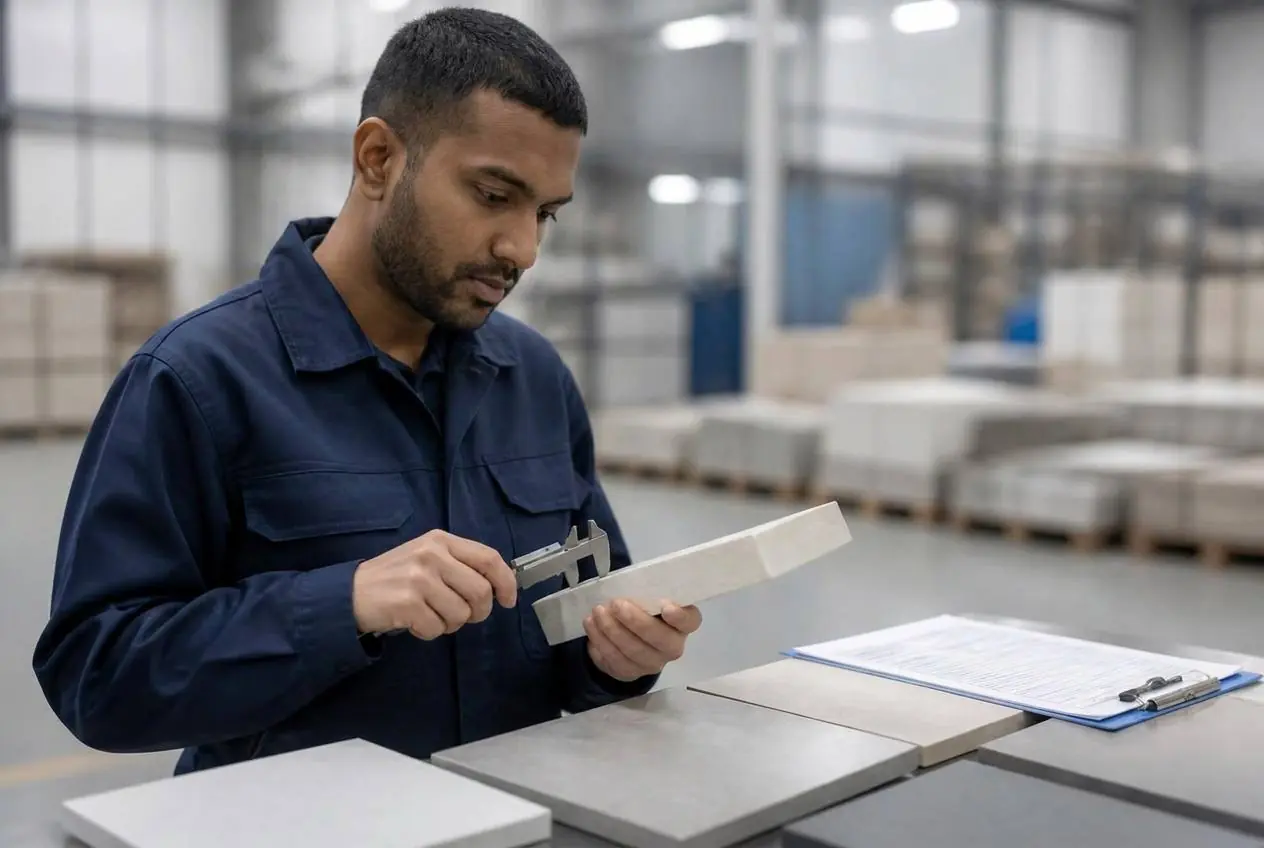
Akarta runs an in-house quality department with inspectors assigned to each division. Goods are checked at the factory during production and again before loading, against the written specification agreed on your purchase order — not against the factory's own grading.
- Pre-production sample approved by the buyer before bulk manufacture begins
- In-line checks during production for shade, calibration, dimension and moisture
- Pre-shipment inspection with photographic report before container sealing
- Third-party inspection (SGS, Bureau Veritas, Intertek) arranged where required
ISO 9001:2015
Certified quality management system
Govt. approved
Registered Indian merchant exporter
In-house docs
Export paperwork prepared by our team
Packing & shipping
Packed the way your market receives it
Expellers are dense, oily and precision-fitted. Packing protects the machined surfaces that decide how long a worm assembly lasts.
- Expellers bolted to heavy skids in ISPM-15 crates, worm shaft greased and VCI-wrapped
- Spare worm sets, cage bars and choke cones packed in sealed moisture-proof boxes
- Cooking kettles crated with stirrer shafts removed and steam connections blanked
- Filter press plates stacked, edge-protected and shipped with spare cloth sets
- Refinery vessels shipped in open top or flat rack with lifting lugs and lashing plan
- Crate-wise packing list matched to the general arrangement and foundation drawings
Documentation
Paperwork prepared in-house, not outsourced
Every consignment travels with a complete document set, prepared by our own documentation team and checked against your letter of credit or contract terms before dispatch.
Process flow & mass balance
Seed-to-oil flow with expected oil, cake and loss percentages calculated against your seed analysis.
Foundation & anchor drawings
Expeller and kettle foundation details with bolt positions and dynamic load figures for civil work.
Steam & utility schedule
Boiler capacity, steam pressure, cooling water and compressed air requirements per section.
O&M and wear-part manual
Worm and cage clearance settings, hard-facing intervals, lubrication chart and complete spare part numbering.

Global reach
Quoted in your currency, shipped from your nearest Indian port
Enquiries reach us from importers, distributors, contractors and retail chains across five continents — Africa, the Middle East, Europe, the Americas and Asia-Pacific. We quote FOB, CFR or CIF, load from Mundra, Kandla, Nhava Sheva or Pipavav depending on your routing, and keep one commercial contact accountable for the consignment from purchase order to bill of lading.
Africa
Kenya, Tanzania, Uganda, Ethiopia, Nigeria, Ghana, Côte d'Ivoire, Senegal, Egypt, Morocco, Algeria, Sudan, Mozambique, Zambia, South Africa
Middle East
UAE, Saudi Arabia, Qatar, Oman, Kuwait, Bahrain, Jordan, Iraq
Europe
Netherlands, Germany, Spain, Italy, Poland, United Kingdom
Americas
United States, Canada, Mexico, Brazil, Chile
Asia-Pacific
Australia, New Zealand, Singapore, Malaysia, Vietnam, South Korea, Japan
Load ports
Mundra · Kandla · Pipavav · Nhava Sheva
Incoterms
FOB · CFR · CIF · EXW on request
Correspondence
English, with documentation to buyer-country requirements
Buyer questions
What importers usually ask us first
Cold press or hot press — which should we install?
If you are selling a branded premium oil where colour, aroma and 'cold-pressed' labelling carry the price, press cold and accept the lower yield. If you are selling commodity oil by the tonne, press hot and press twice: the extra 4–6% recovery and higher throughput per machine decide profitability. Some buyers install both and run the same seed two ways for two brands.
How much oil will we actually recover?
It depends on the seed and its oil content, not the machine alone. On sesame at 48% oil, a cooked double press typically recovers 42–44% of seed weight as oil. On mustard at 38–40%, expect 33–35%. We calculate a mass balance from your seed analysis and state expected oil, cake and loss on the quotation rather than quoting a generic figure.
Do we need a refinery?
Only if you are selling neutral, light-coloured packaged oil. Cold-pressed and traditional oils sell precisely because they are unrefined, and need only settling and filtration. A refinery adds caustic handling, bleaching earth, a vacuum system and a boiler, so it is a real step up in operating complexity — worth it for commodity retail oil, unnecessary for a virgin oil brand.
What are the running consumables?
Worm assemblies and cage bars on the expeller, filter cloths on the press, bleaching earth and caustic in a refinery, and boiler fuel. Worm life depends heavily on seed abrasiveness and how well the seed is destoned — grit is what destroys worms. Every plant ships with spare worm sets and cloths, and we hold repeat supply on standing order for regular buyers.
Can you supply a plant that runs on multiple seeds?
Yes, and most of our buyers need that because oilseed availability is seasonal. Multi-seed plants get the widest cage clearance adjustment, interchangeable worm profiles, a decorticator or copra cutter as required, and a cleaning section sized for the dirtiest seed you will run. Tell us every seed you intend to press at enquiry stage.
Common enquiries
Specifications buyers most often ask us to quote
These are the enquiries that reach this desk most weeks. If yours is on the list, we already have the grades, packing and loadability worked out — send the quantity and destination port and we will price it.
Also in this division
Related ranges
Export desk
Request a quotation
Send your product type, grade, quantity and destination port. Our export desk replies with available grades, packing options, loadability and indicative pricing — usually within one working day.